

Diagnostic Coverage in 2026: Why Depth Matters More Than Ever
Vehicle diagnostics have changed dramatically over the last decade.
Modern vehicles contain dozens of electronic control modules that communicate constantly, monitoring everything from engine performance and braking systems to advanced driver assistance systems (ADAS), lighting, climate control, and occupant safety features.
As these systems continue to expand, simply connecting a scan tool to a vehicle is no longer enough. The quality of a diagnostic scan now depends on how much of the vehicle the tool can actually access.
In 2026, it has become one of the most important factors in accurate repair planning. Shops that can retrieve more vehicle data are better equipped to identify hidden issues, build more complete repair plans, reduce delays, and verify repairs with confidence.
The conversation is no longer about whether a vehicle can be scanned. It is about how deeply that vehicle can be scanned.
What diagnostic coverage actually means
Diagnostic coverage refers to the range of vehicle systems and electronic control modules that a diagnostic tool can access. Every modern vehicle contains numerous modules responsible for different functions, including the engine, transmission, braking system, airbags, ADAS features, climate controls, body electronics, and communication networks. Together, these modules create a detailed picture of how the vehicle is operating.
The more systems a diagnostic platform can communicate with, the more complete that picture becomes. Broad diagnostic coverage allows technicians to uncover issues across multiple vehicle systems during a single scan, while limited coverage may only reveal a portion of the available data. As vehicles continue to add new electronic components and software-driven features, having access to more of the vehicle's systems becomes increasingly important for making informed repair decisions.
Why today's vehicles require deeper diagnostics
Vehicle technology has changed significantly over the last several years. Modern vehicles now rely on dozens of interconnected control modules, advanced driver assistance systems, software updates, and increasingly sophisticated communication networks. Many of these systems constantly exchange information, meaning a problem in one area of the vehicle can affect several others.
For collision repair facilities, this growing complexity creates new challenges during diagnostics and repair planning. Damage that appears isolated to one area of the vehicle can impact multiple electronic systems behind the scenes. A front-end collision, for example, may involve radar sensors, parking assistance systems, adaptive cruise control, or communication between several control modules. Without comprehensive diagnostic coverage, some of these issues may remain hidden until much later in the repair process.
As vehicle technology continues to evolve, shops need more than the ability to perform a scan. They need the ability to access as much of the vehicle's electronic architecture as possible so repairs begin with a complete understanding of the vehicle's condition.
The risks of incomplete diagnostic coverage
When diagnostic coverage is limited, repair planning often begins with incomplete information. If a scan tool cannot communicate with every relevant control module, hidden faults may go undetected during the initial inspection. Those issues frequently surface later, after repairs have already begun, forcing technicians to revise repair plans, order additional parts, or perform additional diagnostic work.
These situations can slow production, create scheduling disruptions, and introduce unnecessary costs throughout the repair process. Shops may also miss calibration requirements or struggle to produce complete repair documentation if important vehicle systems were never evaluated during the original scan.
Rather than being a technician issue, these challenges are often a visibility issue. The less information available at the beginning of a repair, the greater the likelihood that unexpected problems will appear later. Comprehensive diagnostic coverage helps eliminate those blind spots by providing a more complete understanding of the vehicle before repair decisions are made.
Why deeper diagnostic coverage improves repair planning
Accurate repair planning starts with accurate information.
When technicians have access to more vehicle systems, they can identify additional faults, understand how systems interact, and build more complete repair plans before work begins.
That allows shops to:
-
Identify repair requirements earlier
-
Plan parts and labor more accurately
-
Coordinate diagnostics and calibration needs
-
Reduce interruptions during repairs
-
Improve communication between departments
Instead of reacting to unexpected issues midway through a repair, shops can proactively plan around them.
This leads to more predictable workflows, fewer delays, and greater confidence throughout the repair process.
Better diagnostics support better repair quality
Diagnostic coverage does more than improve efficiency.
It also plays an important role in overall repair quality.
Modern repairs often require technicians to verify that electronic systems are functioning properly after repairs are completed.
Comprehensive diagnostics help confirm that faults have been addressed, vehicle systems are communicating correctly, and no additional issues have been introduced during the repair.
They also support:
-
OEM repair procedures
-
Repair verification
-
More complete documentation
-
Better customer confidence
-
Reduced liability
As electronic systems become increasingly integrated into vehicle safety, thorough diagnostics become an essential part of delivering a complete repair.
Why OE-level access matters more than ever
Not every diagnostic tool provides the same level of vehicle access. Basic code readers are useful for retrieving generic diagnostic trouble codes, but they often provide limited access to manufacturer-specific systems and functions.
Professional diagnostic platforms offer much deeper visibility by communicating with a broader range of vehicle modules and accessing OEM-level information. This additional depth becomes increasingly valuable as manufacturers continue introducing new technologies and expanding electronic vehicle architecture.
For repair facilities, deeper diagnostic access means fewer blind spots and greater confidence that important vehicle information has not been overlooked.
How leading repair facilities are adapting
As vehicle technology becomes more advanced, leading repair facilities are adapting their diagnostic processes as well.
Rather than treating diagnostics as a single step at the beginning of a repair, many shops are building comprehensive diagnostics into the entire repair workflow.
Common best practices include:
-
Performing thorough pre-repair scans
-
Reviewing all available module data during repair planning
-
Using remote diagnostic support when additional expertise is needed
-
Verifying repairs with post-repair scans
-
Maintaining consistent diagnostic documentation
These practices help improve repair consistency while reducing the likelihood of missed issues and unexpected delays.
The goal is not simply to scan every vehicle.It is to understand every vehicle as completely as possible before repair decisions are made.
How asTech helps shops achieve deeper diagnostic coverage
Modern repair facilities need more than basic scan results.They need comprehensive vehicle insight that supports accurate repair planning from start to finish.
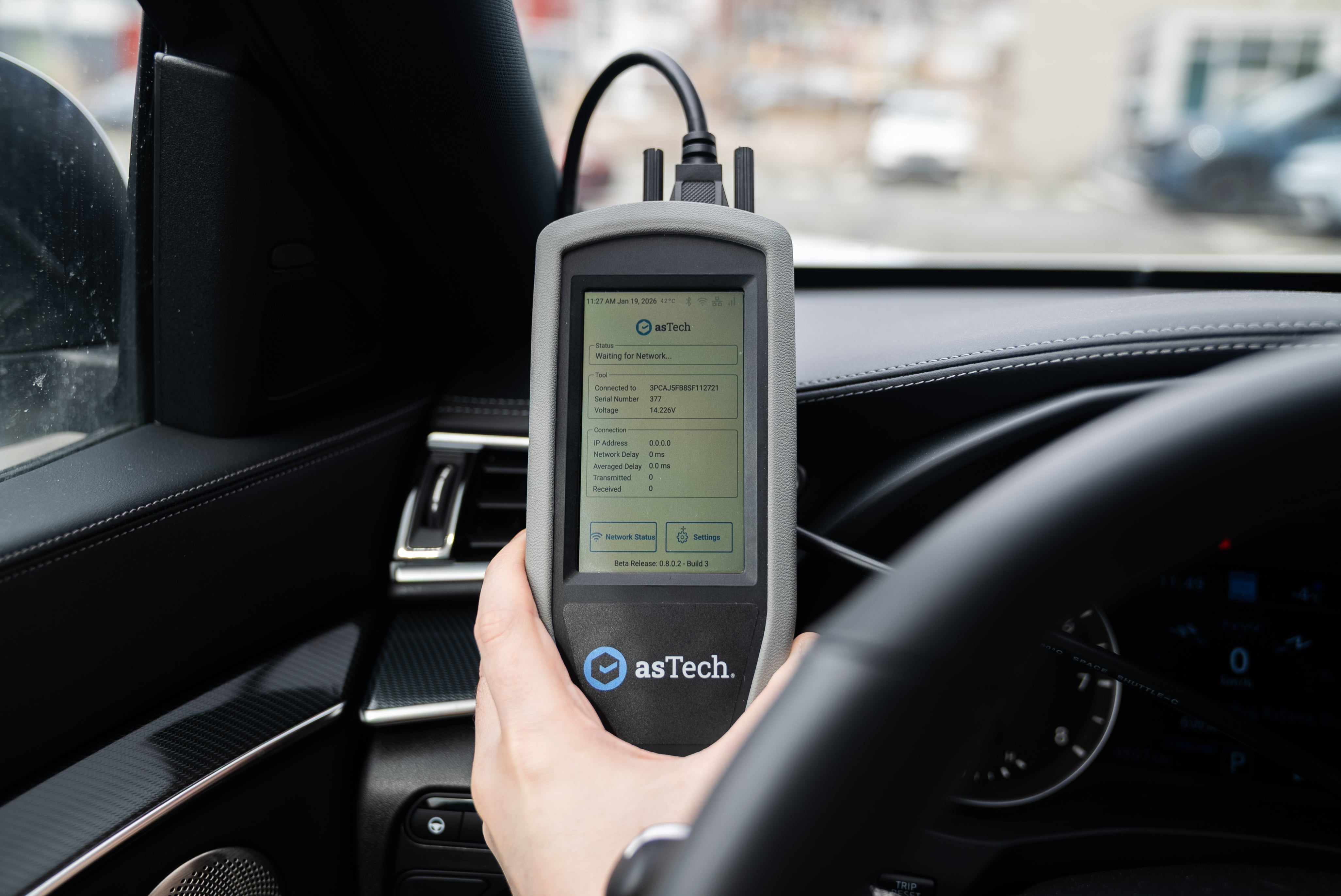
asTech helps collision centers gain deeper diagnostic coverage through OE-level diagnostics, broad vehicle compatibility, remote diagnostic expertise, and connected workflows designed for today's increasingly complex vehicles.
By providing greater visibility into vehicle systems, asTech helps shops identify issues earlier, improve repair planning, support documentation, and verify repairs with greater confidence.
The result is a more informed repair process that reduces surprises while improving consistency and repair quality.
The future of diagnostics depends on depth, not just access
Vehicle technology will only continue to become more sophisticated. More software, more electronic systems, and more interconnected vehicle modules will continue raising the expectations placed on repair facilities.
As that complexity grows, diagnostic coverage becomes more than a technical specification. It becomes a competitive advantage.
The shops best prepared for the future will not simply connect a scan tool to every vehicle. They will ensure they have access to the information needed to understand the entire vehicle, build accurate repair plans, and verify repairs with confidence.
In modern collision repair, deeper diagnostics lead to better decisions. And better decisions lead to better repairs.
Go beyond basic diagnostics
Modern vehicles require more than surface-level scans.
See how asTech helps collision repair facilities achieve deeper diagnostic coverage with OE-level diagnostics, remote expertise, and connected workflows that support more accurate repairs from beginning to end.
Share:
Repairify and Opus IVS Complete Combination to Form Unified Leader in Automotive Diagnostics
Tool Capabilities of Generation 3 and Why They Matter