
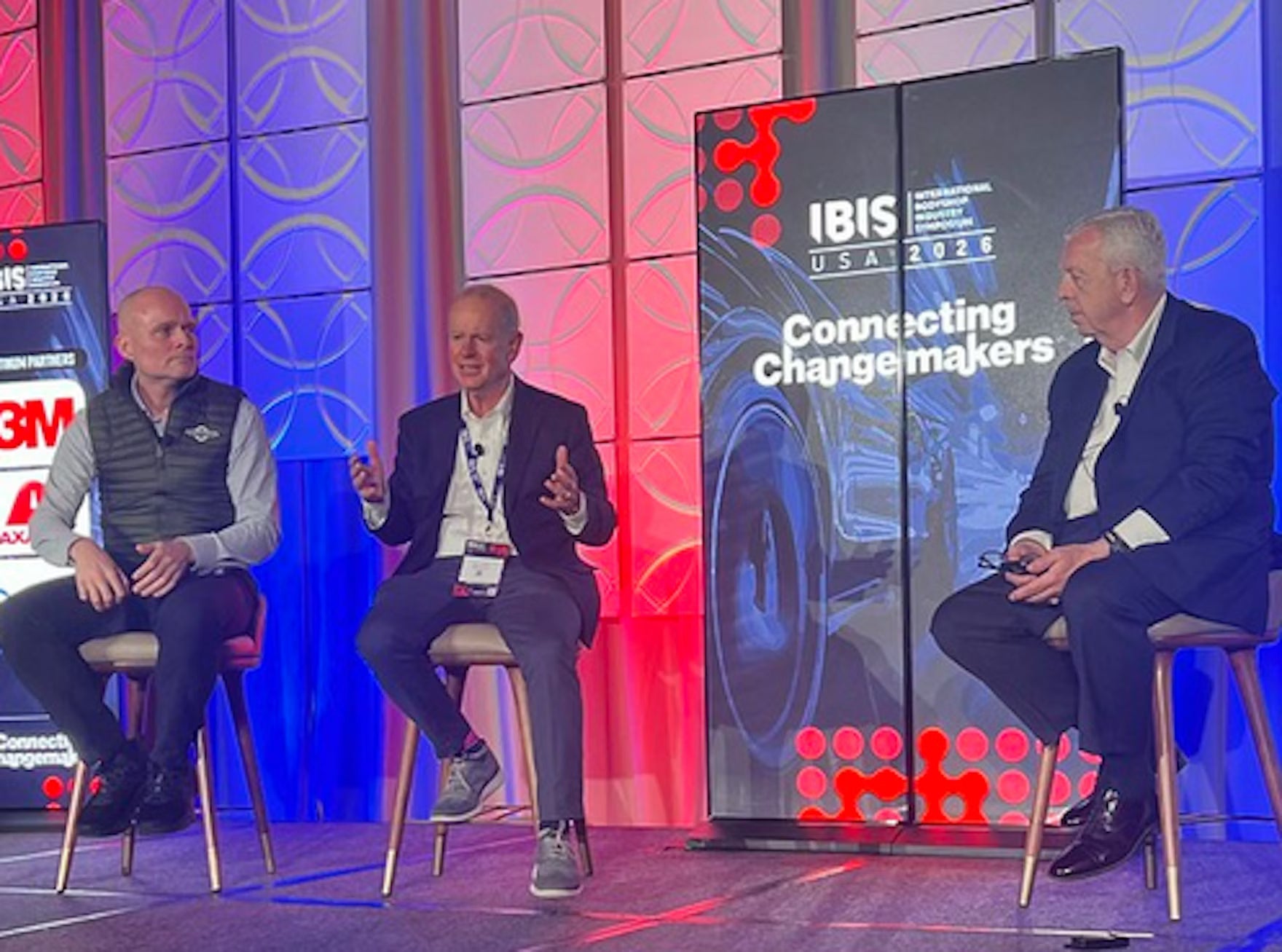
The Future of the Collision Repair Industry
The collision repair industry is entering a new phase of complexity, accountability, and technological change.
Modern vehicles are evolving faster than traditional repair processes were built to support. As advanced driver assistance systems (ADAS), connected vehicle architecture, and software-controlled systems become standard, repair workflows are becoming significantly more technical and more dependent on diagnostics, calibration, and verification.
What used to be a primarily mechanical repair process is now increasingly electronic, procedural, and software-driven.
That shift is changing everything from diagnostics and calibration to workflow management, technician training, liability, and repair verification.
At the same time, shops are facing growing operational pressure.
Vehicle systems are becoming more complex. Repair standards are becoming more demanding. And the margin for error continues to shrink.
The future of repair will belong to the shops that can adapt quickly, embrace connected diagnostics, and build workflows capable of supporting increasingly sophisticated vehicles.
The Collision Repair Industry Is Changing Faster Than Most Shops Realize
The collision repair industry has always evolved alongside vehicle technology. What’s different today is the speed of that change.
Modern vehicles are no longer defined primarily by mechanical systems. They are increasingly controlled by electronics, software, sensors, and connected vehicle architecture that directly impacts how repairs must be performed and verified.
What used to be a straightforward repair process has become a highly technical workflow involving:
-
Vehicle diagnostics
-
Software-controlled modules
-
OEM repair procedures
-
Connected vehicle systems
-
Electronic control modules (ECUs)
-
Repair verification and documentation
The question is no longer whether vehicle repair is becoming more complex.
The real question is whether repair facilities can adapt quickly enough to perform safe, accurate, and fully verified repairs in a software-defined vehicle environment.
Modern Vehicles Are More Complex Than Ever
Today’s vehicles are safer and more advanced than at any point in automotive history. They are also significantly more difficult to repair.
A modern vehicle may include:
-
More than 100 electronic control units (ECUs)
-
Multiple onboard communication networks
-
Radar systems and ultrasonic sensors
-
Cameras integrated into windshields and mirrors
-
Advanced driver assistance systems (ADAS)
-
Software-controlled safety systems
Even relatively minor collisions can impact systems that were never traditionally associated with collision repair.
For example:
-
Front and rear bumpers often contain radar sensors
-
Windshields frequently house forward-facing cameras
-
Side mirrors may contain blind spot monitoring systems
-
Ride height and wheel alignment can affect ADAS functionality
-
Software configurations can influence system performance
This shift has fundamentally changed what it means to complete a repair properly.
Repair is no longer just about fixing visible damage.
It is about restoring the full operational integrity of the vehicle; mechanically, electronically, and digitally.
ADAS Calibration and Diagnostic Scanning Are Now Core Parts of Repair
As advanced driver assistance systems become standard equipment, tolerance for error continues to shrink.
A missed calibration. A disconnected module. A slightly incorrect alignment. An incomplete software configuration.
These are no longer simple quality-control issues.
They are potential safety risks.
That is why pre-repair scanning, post-repair scanning, and ADAS calibration have become essential components of modern collision repair workflows.
Today’s repair process increasingly requires:
-
OEM diagnostic scans
-
Calibration verification
-
Vehicle health checks
-
OEM repair procedures
-
Configuration and programming validation
-
Repair documentation and reporting
Modern vehicles do not always display warning lights when systems are out of specification.
That means repair verification can no longer be treated as optional.
Verification is now part of the repair itself.
The Rise of the Software-Defined Vehicle
One of the biggest shifts happening in automotive repair is the transition to the software-defined vehicle.
In many newer vehicles, software controls critical functionality that was once purely mechanical or electrical.
The industry is already seeing:
-
Over-the-air software updates
-
VIN-specific vehicle configuration
-
Module authentication and pairing
-
Software-enabled vehicle features
-
OEM-controlled access to systems and functions
In some cases, replacement components will not function until they are digitally recognized and configured by the vehicle.
That changes the repair process entirely.
Repair is no longer only physical.
It is procedural, software-driven, and increasingly connected to OEM platforms and diagnostic systems.
Industry analysts project that software could account for nearly 30% of a vehicle’s value by the end of the decade. At the same time, global regulations are pushing manufacturers toward tighter control over software management, cybersecurity, and vehicle configuration tracking.
As a result, repair requirements are increasingly driven by software standards and OEM procedures, not just traditional mechanical practices.
Why Connected Diagnostics Are Becoming Essential
Traditional diagnostic workflows were built around local scan tools and isolated repair processes.
Modern vehicles require something much deeper.
Connected diagnostics platforms help repair facilities:
-
Access OE-level diagnostics
-
Communicate with vehicle systems remotely
-
Identify hidden electronic faults
-
Perform pre- and post-repair scans
-
Support ADAS calibration workflows
-
Validate repairs through documented verification
This is especially important in collision repair, where a single impact can affect multiple interconnected systems across the vehicle.
Connected vehicle diagnostics also improve:
-
Repair consistency
-
Workflow efficiency
-
Documentation accuracy
-
Communication between repair stakeholders
-
Repair verification and compliance
As vehicle complexity grows, connected diagnostics are becoming a foundational part of modern repair operations.
The Traditional Repair Model No Longer Fits Modern Vehicles
For years, collision repair followed a relatively linear process:
-
Inspect the damage
-
Replace or repair damaged components
-
Refinish the vehicle
-
Deliver it back to the customer
That model no longer reflects the reality of modern repair.
Today’s vehicles require repair facilities to integrate:
-
Diagnostic scanning
-
Calibration procedures
-
OEM repair documentation
-
Software programming
-
Electronic system verification
-
Vehicle network communication
Many repairs now require direct interaction with OEM systems and manufacturer-specific procedures.
Repair has evolved into a connected workflow involving:
-
OEMs
-
Collision repair facilities
-
Diagnostic providers
-
Insurers
-
Calibration specialists
-
Software platforms
No single shop or technician can manage modern repair complexity entirely in isolation.
The Industry’s Biggest Challenges Are No Longer Mechanical
The biggest challenges facing the repair industry today are increasingly structural and technological.
Questions the industry must answer include:
-
Who has access to vehicle systems and OEM data?
-
Who determines the correct repair procedures?
-
How are repairs verified and documented?
-
Who is responsible when a system fails after repair?
-
How can shops maintain profitability while performing increasingly complex repairs?
As vehicles become more software-controlled, access to data and diagnostic systems becomes just as important as access to parts.
The industry now requires:
-
Secure but practical access to OEM systems
-
Standardized diagnostic procedures
-
Consistent calibration processes
-
Clear repair documentation
-
Alignment between OEMs, insurers, and repairers
Ignoring vehicle complexity does not reduce costs.
It increases risk.
Risk for the repairer. Risk for the insurer. Risk for the customer. And ultimately, risk for the entire industry.
What This Means for Collision Repair Shops Today
Modern collision repair is no longer just about fixing what is visible.
It is about restoring complete vehicle functionality — including the electronic and safety systems drivers rely on every day.
That means:
-
Diagnostic scanning is no longer optional
-
ADAS calibration is becoming standard procedure
-
Repair verification must be documented
-
OEM procedures matter more than ever
-
Connected diagnostics are becoming essential workflow tools
Shops that continue relying on outdated repair processes risk:
-
Increased liability
-
Missed repair revenue
-
Workflow delays
-
Incomplete repairs
-
Reduced insurer confidence
-
Inconsistent repair quality
Meanwhile, repair facilities that invest in advanced diagnostics and connected repair workflows gain a significant competitive advantage.
They can:
-
Capture more repair revenue internally
-
Reduce sublet delays
-
Improve repair accuracy
-
Deliver more consistent outcomes
-
Build stronger insurer and customer trust
-
Better manage modern vehicle complexity
The Future of Automotive Repair Will Depend on Verification
The future of automotive repair will not be defined only by who can complete repairs.
It will be defined by who can verify them.
As vehicles become increasingly connected, software-driven, and safety-dependent, repair facilities must evolve from traditional mechanical operations into technology-enabled repair environments.
That evolution requires:
-
Connected diagnostics
-
OE-level vehicle access
-
Calibration and programming capability
-
Repair documentation
-
Integrated repair workflows
-
Ongoing technician education
Completing the repair is no longer the finish line.
Being able to prove the vehicle was repaired correctly is what will define successful repair operations moving forward.
Modern Repair Requires More Than Basic Diagnostics
Basic code reading is no longer enough for modern vehicles.
Today’s repair environment requires deeper diagnostics, connected workflows, and repair verification processes that support increasingly complex vehicle systems.
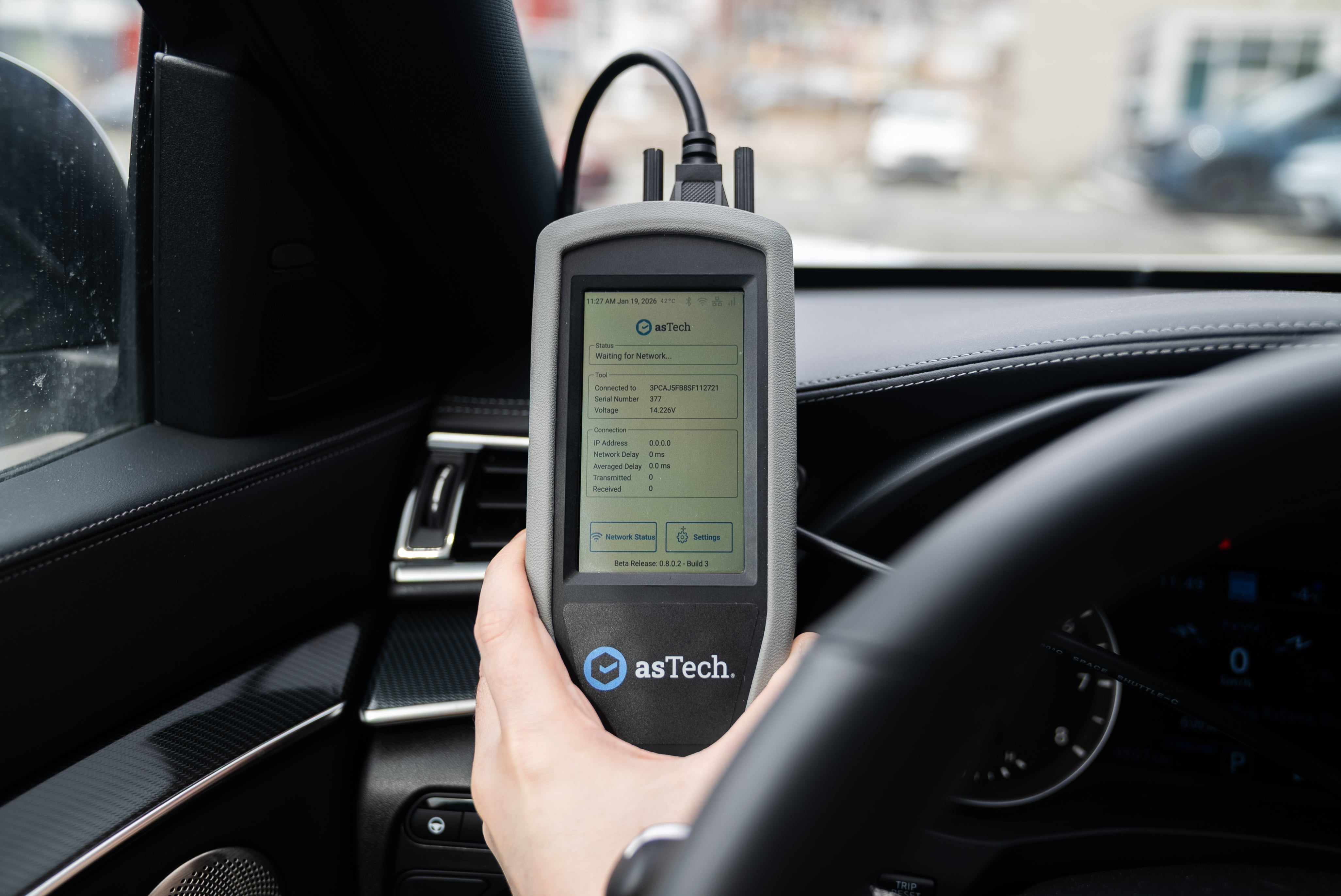
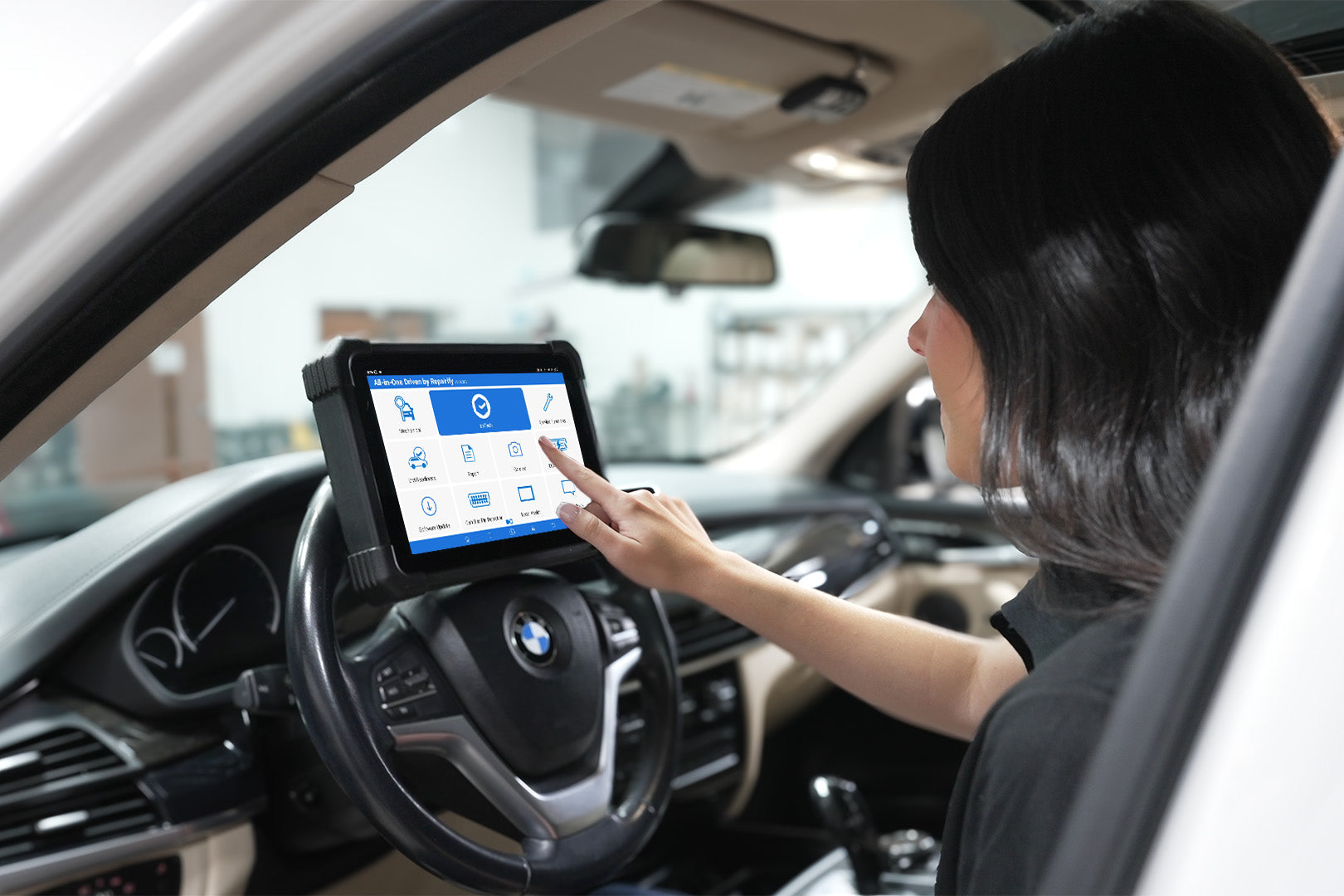
asTech helps collision repair facilities access OE-level diagnostics, remote diagnostic support, calibration workflows, and connected repair solutions designed for modern vehicle repair.
As the industry continues to evolve, shops that embrace connected diagnostics and repair verification will be the ones best positioned to stay efficient, competitive, and trusted.
Share:
The asTech Talk | April 2026
Why Early Calibration Visibility Is Changing Collision Repair